
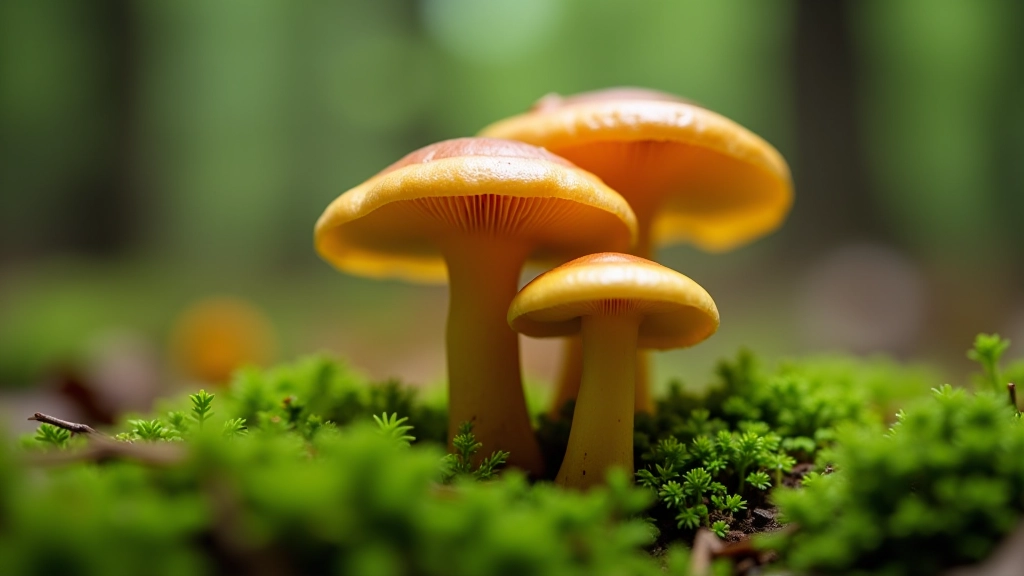
Identifying Chanterelles: The Most Prized Forest Find
Chanterelles are the most sought-after edible mushroom in Belvvent. We'll show you how to spot them.
Not all mushrooms are safe to eat — some are deadly. We'll teach you the basic rules for identifying safe species, proper harvesting techniques, and how to avoid contamination and overpicking.
Mushroom foraging isn't complicated, but it does require respect for what you're doing. There's a reason people say "when in doubt, throw it out." Some mushrooms that look similar to edible varieties are actually poisonous — and we're talking seriously poisonous. A few species can cause organ damage or death with just one or two caps.
The good news? You don't need to memorize hundreds of species. You just need to learn the ones that grow in belvvent, understand their key identifying features, and know which ones are safe to eat. We've been doing this for years, and the basic approach is simple: positive identification first, cooking second, eating third.
Never eat a mushroom unless you're 100% certain of its identity. Not 95% certain. Not "pretty sure." We mean 100%. If there's any doubt — leave it.
Different mushrooms grow in different environments. Chanterelles prefer mossy areas. Porcini grow near pine and spruce trees. Learning where each species grows is half the battle.
Even edible mushrooms need proper handling. Some species require specific cooking methods to break down compounds that can cause upset stomachs if eaten raw.
In belvvent, the main edible species you'll encounter are chanterelles, porcini (also called penny buns), and several varieties of boletes. Each has distinctive features that make identification straightforward if you know what to look for.
Chanterelles have a funnel shape with false gills — they're actually ridges that run down the stem. They're yellow-orange and smell pleasantly fruity. You won't find them growing alone; they come in clusters. If you find one, there are usually more nearby.
Porcini are unmistakable once you see them. They've got a thick, bulbous white stem and a brown cap. Instead of gills, they have small pores underneath — like a sponge. These appear in late summer and autumn, especially around pine and spruce trees. A single mature specimen can weigh over 500 grams.
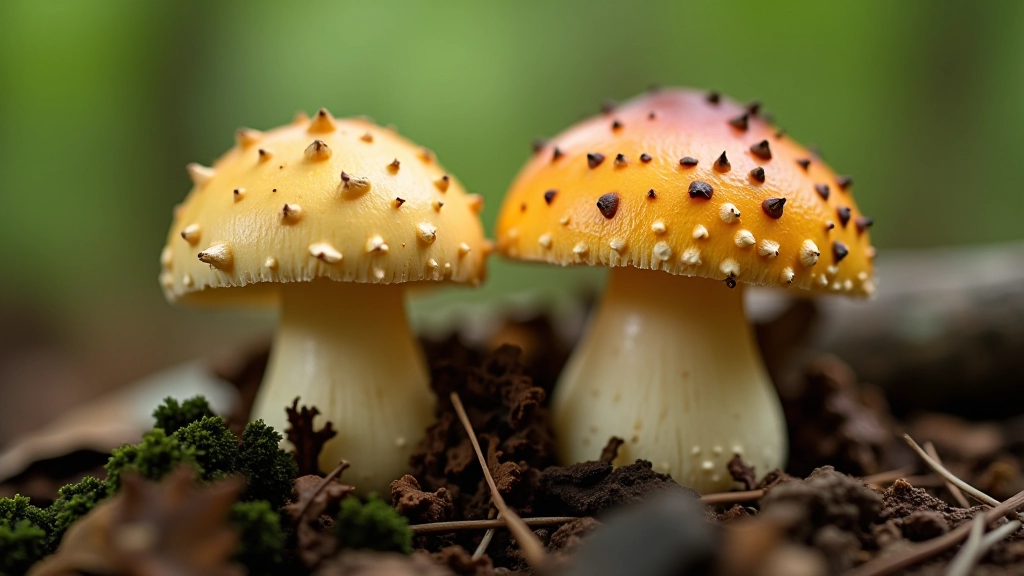
The dangerous ones deserve your full attention. The death cap (Amanita phalloides) looks deceptively innocent — it's pale, elegant, and could fool a beginner. It has a ring around the stem and a cup at the base. Even eating half of one cap can be fatal. The symptoms start mild (nausea, stomach pain) but by the time serious damage appears, it's often too late for treatment.
Destroying angels (Amanita virosa and related species) are equally deadly. They're pure white with a distinctive ring and cup. If you see white mushrooms with these features, don't touch them. The webcap species are another group to avoid — they're often colorful and pretty, which is nature's way of saying "stay away."
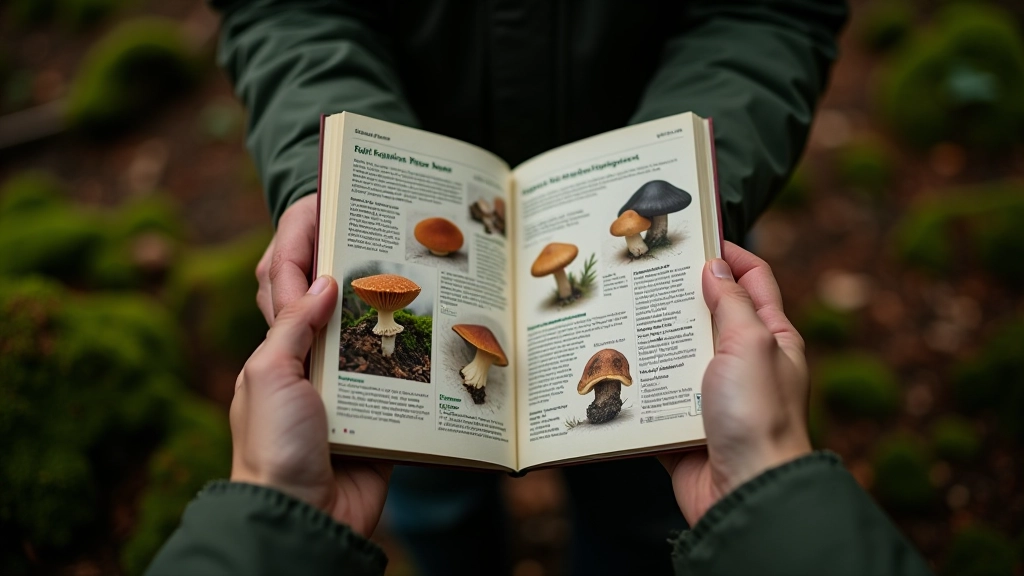
The safest approach? Use a field guide specific to Estonian mushrooms. There's "Eesti seened" (Estonian Mushrooms) which shows both the edible and toxic varieties with clear photographs. When you're starting out, bring a guide with you on every walk. Experienced foragers still reference guides occasionally — it's not laziness, it's good practice.
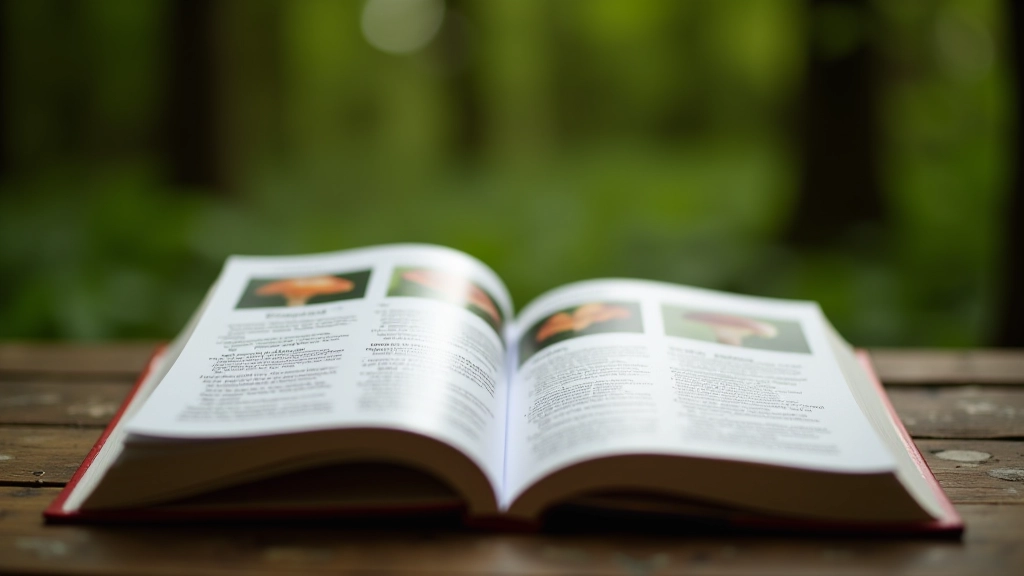
This guide is educational material intended to help you understand mushroom identification and foraging practices. It's not a substitute for expert guidance. Mushroom identification can be challenging, and misidentification carries serious health risks. We strongly recommend foraging with experienced guides, using multiple field guides, and consulting local experts when you're uncertain about any species. Never rely solely on online resources or a single source for identification.
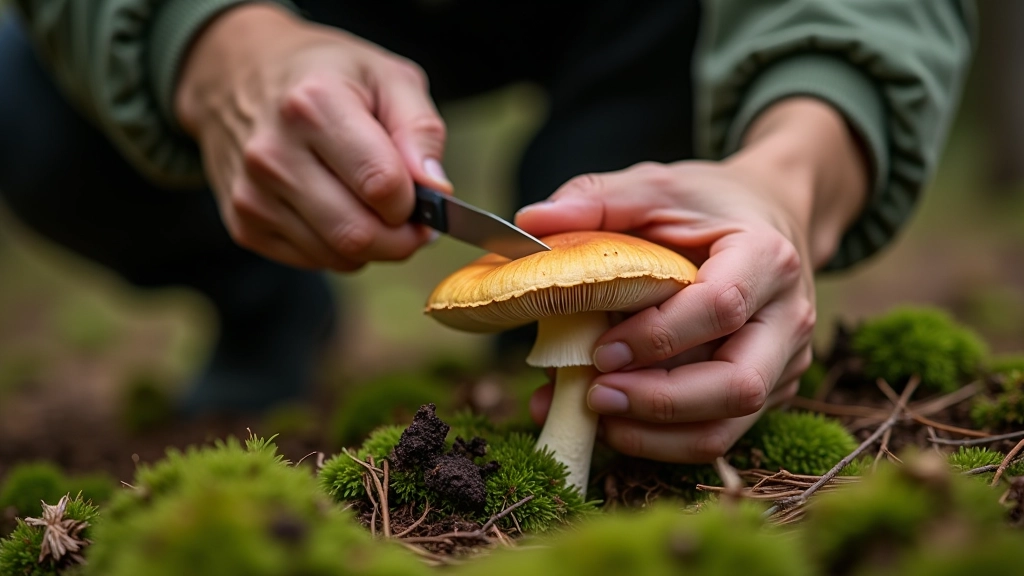
How you harvest matters as much as what you harvest. Here's the right way: use a small knife or scissors to cut mushrooms at the base, just above the ground. Don't pull them out — pulling damages the mycelium (the fungal network underground) and can harm future growth in that spot.
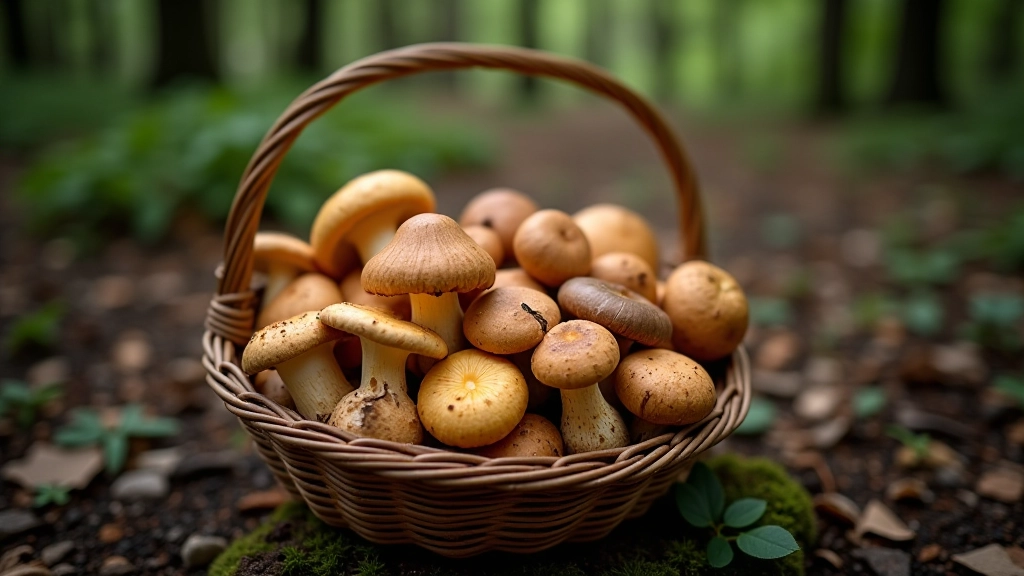
Collect mushrooms in a breathable basket or cloth bag, never plastic. Plastic causes them to sweat and decompose. A good basket lets air circulate and keeps specimens separate. Avoid crushing them — treat them gently during collection and transport.
Don't harvest everything you find. Leave some mushrooms behind — about 30-40% should stay in the ground. This ensures there are enough spores to create mushrooms next season. If you're foraging the same area regularly, rotating which spots you harvest from helps maintain a healthy population. Sustainable foraging means thinking about next year's harvest today.
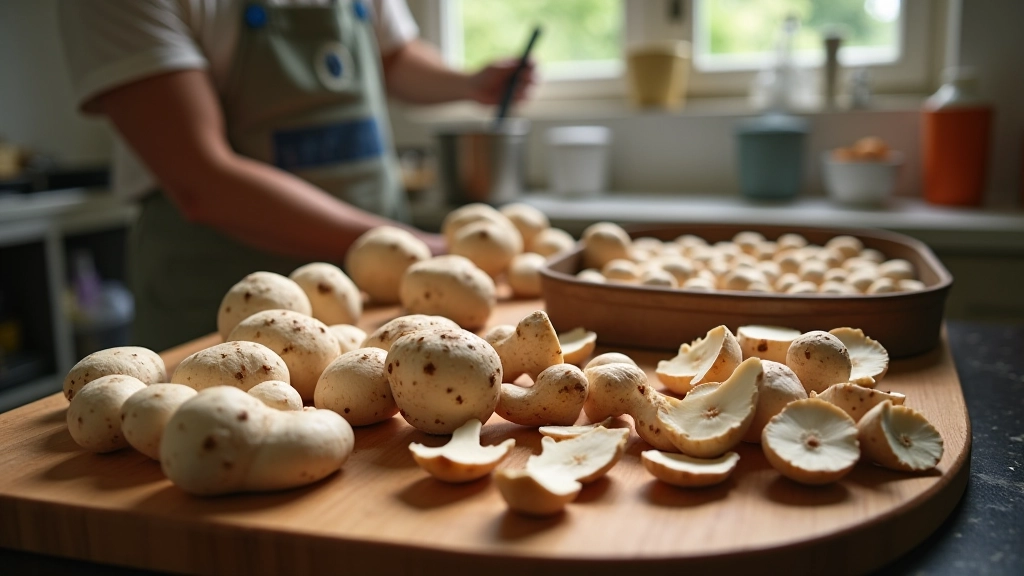
Once you're home, don't delay processing. Mushrooms deteriorate quickly. First, clean them gently — a soft brush removes forest debris. Some people rinse them quickly, but many foragers prefer dry cleaning to preserve flavor. Never soak mushrooms in water; they'll absorb it and become mushy.
Store fresh mushrooms in a paper bag in the refrigerator. They'll keep for 3-5 days. For longer storage, drying is your best option. Slice mushrooms thinly (about 5-7mm) and dry them in an oven on the lowest setting with the door slightly open, or use a food dehydrator. Properly dried mushrooms keep for months.
Before cooking any foraged mushroom for the first time, it's worth doing a small taste test. Eat just a small portion and wait 24 hours. This confirms you're not sensitive to that particular species. Some people react to certain mushrooms even if they're technically edible — everyone's different.
Foraging in belvvent's forests is genuinely rewarding. You're connecting with nature, learning traditional skills, and harvesting food that tastes better than anything you'll find in a store. But it's only rewarding if you do it right.
Start with a guided walk if you can. An experienced forager can show you the mushrooms, their habitats, and how to identify them correctly. You'll learn faster with someone who knows the forest. After that, continue learning — get a good field guide, practice identification, and stay humble about what you don't know yet.
The forests around belvvent have been feeding people for centuries. They'll feed you too, as long as you respect them and follow these practices. Safety first, harvest second, enjoyment third. That's how you build a foraging habit that lasts.
Chanterelles are the most sought-after edible mushroom in Belvvent. We'll show you how to spot them.
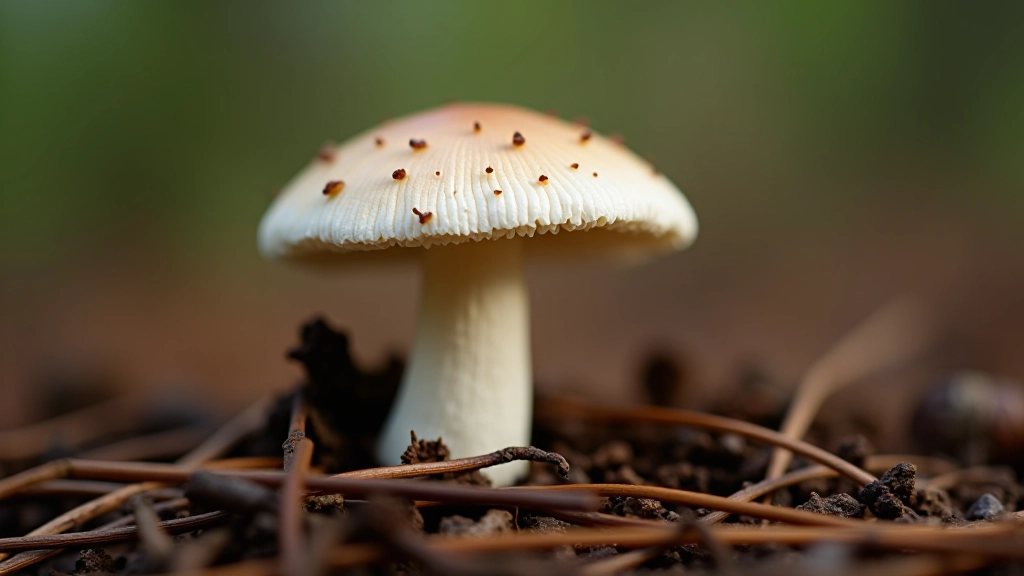
Porcini are prized for their nutty flavor and meaty texture. This guide covers what to look for.
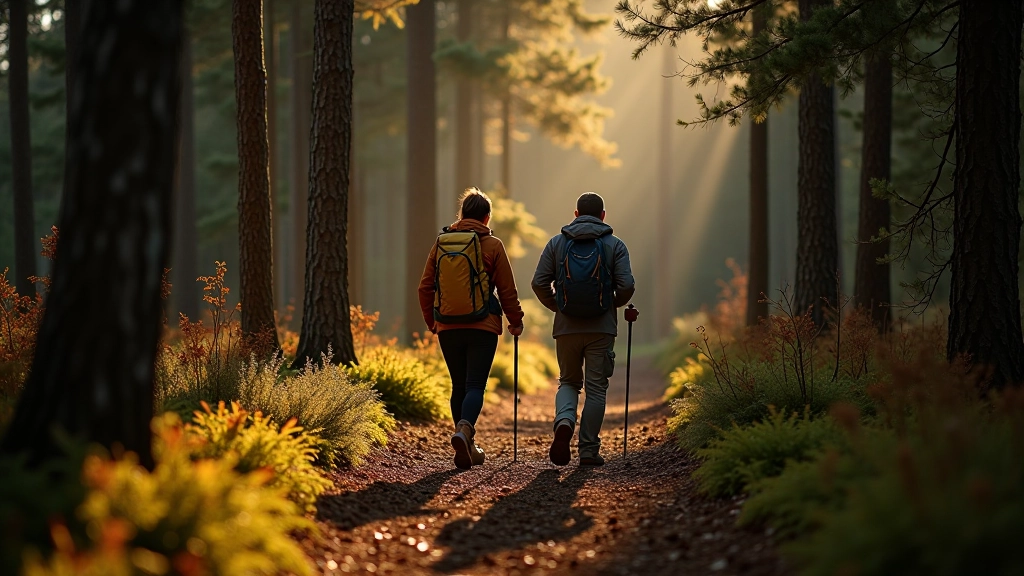
Thinking about joining a guided walk but unsure what to expect? We'll cover what you need to know.