
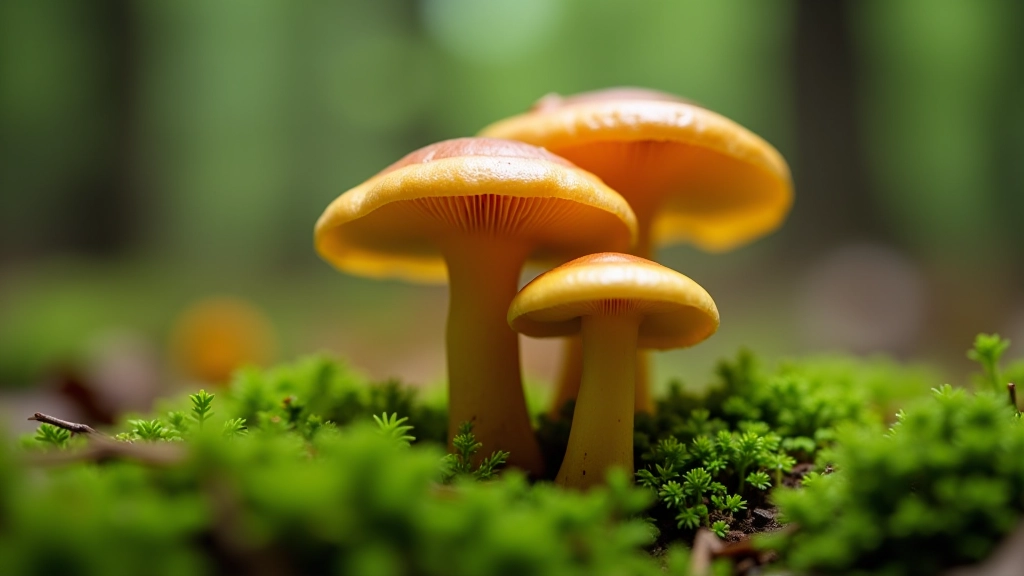
Identifying Chanterelles: The Most Prized Forest Find
Chanterelles are the most sought-after edible mushroom in Belvvent. We'll show you how to identify them, where to find them, and how to distinguish them from toxic look-alikes.
Thinking about joining a guided walk but unsure what to expect? We'll cover what to bring, best seasons for foraging, trail difficulty levels, and how our walks are structured to help you learn.
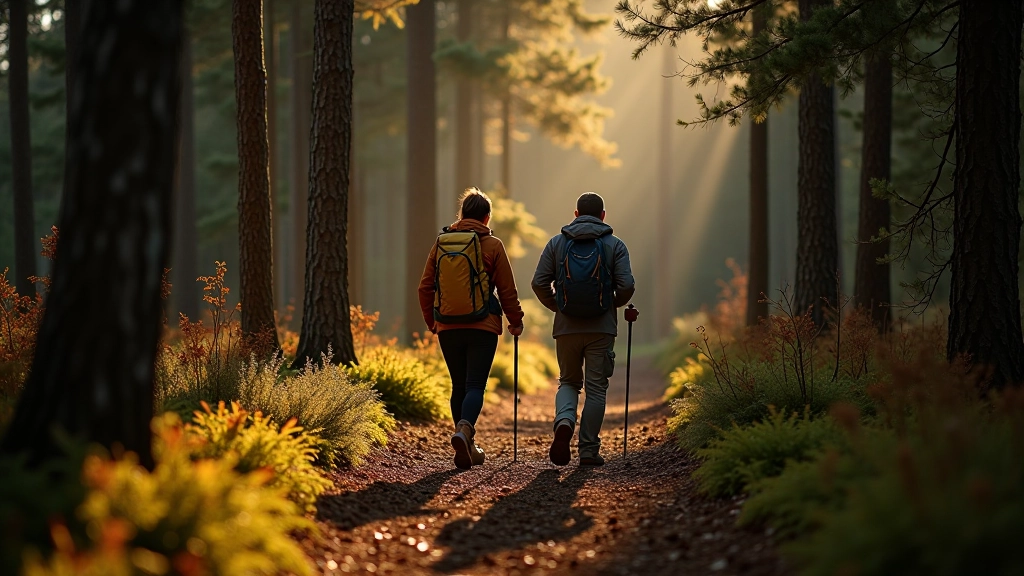
Your first guided mushroom walk in belvvent doesn't require any prior experience. We start with the basics — how to identify common edible species, what safety checks to perform, and the proper technique for harvesting without damaging the forest floor. Most walks last 2-3 hours and cover about 2 kilometers of forest trail.
The pace is relaxed. We're not racing through the woods. Instead, we stop frequently to examine finds, discuss habitat preferences, and answer questions. You'll learn why certain mushrooms grow near specific trees and what time of year produces the best foraging.
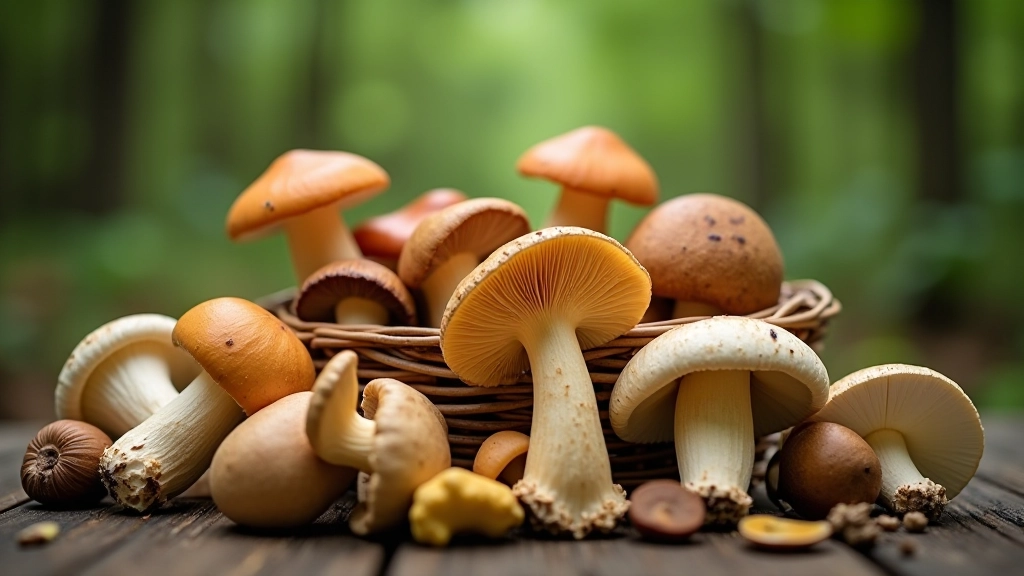
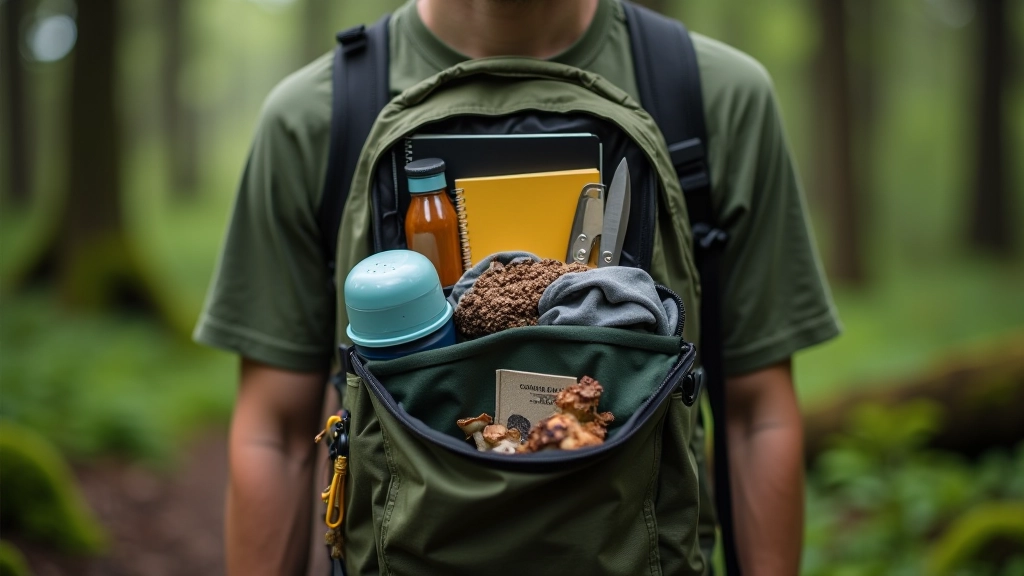
Essential Items
We provide field guides during the walk, so you don't need to buy one beforehand. Many guides recommend bringing a magnifying glass for examining gills and spores — useful but optional for beginners.
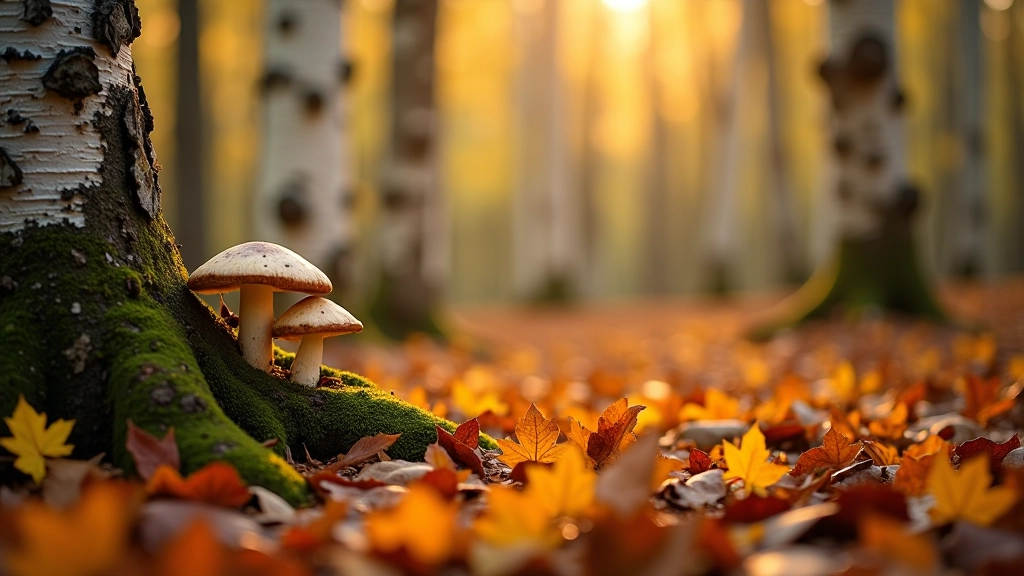
Belvvent's forests produce mushrooms year-round, but the season shapes what you'll find. Spring brings morels and false morels near old logs. Summer offers chanterelles and various boletes. Autumn — September through October — is peak foraging season when you'll find porcini, honey mushrooms, and dozens of other species.
The richest season. Cool nights and warm days create ideal fruiting conditions. Beginners often have the best success starting in early September when porcini first appear.
Chanterelles and boletes dominate. Walks are warmer but can be buggy. Morning walks are preferred to avoid afternoon heat and crowds.
Specialized hunting for morels and spring chanterelles. Smaller harvests but rewarding for experienced foragers. Weather is unpredictable.
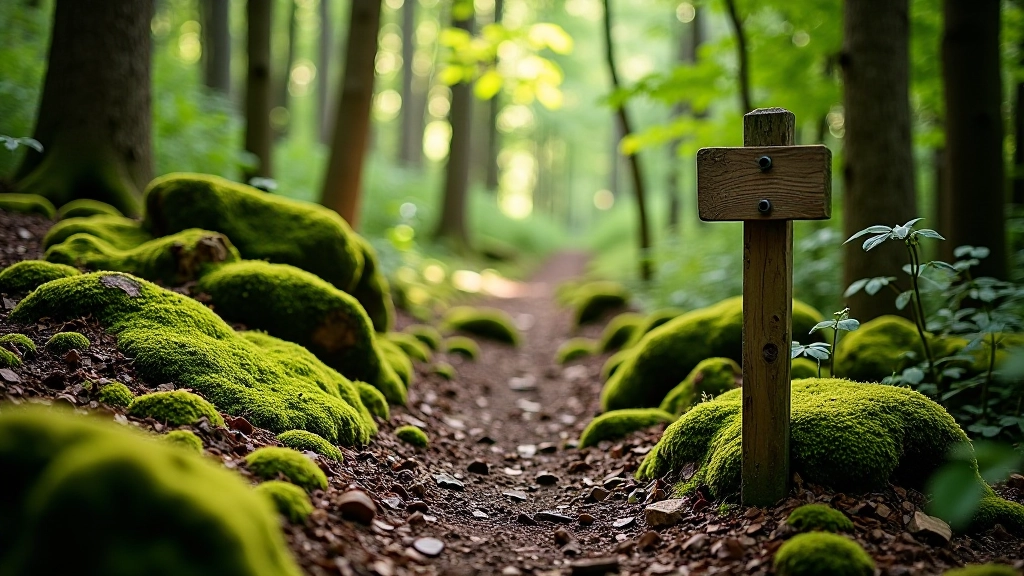
Belvvent's forest terrain is gentle by hiking standards. Most walks follow marked trails through mixed pine and birch forest. The ground is often soft with moss and fallen needles — pleasant to walk on but can be slippery when wet.
Beginner-friendly: Easy 2-kilometer loops. Minimal elevation gain. Walks take 2-3 hours because we stop frequently to forage and learn. No running or rushing.
Children aged 6 and up typically enjoy the walks. The pace lets families stay together. We avoid the busiest tourist areas and stick to quieter forest where mushroom diversity is higher. Most participants go home with at least a small basket of edible finds — sometimes much more depending on conditions.
This guide is informational only and describes general mushroom foraging practices. Never eat wild mushrooms without proper identification by an expert. Some species are deadly poisonous and can be confused with edible varieties. Our guided walks include expert identification — do not forage alone or rely solely on field guides.
Belvvent National Park has specific regulations about foraging. Check current rules before your visit. Certain protected areas prohibit harvesting. Our guides are familiar with current regulations and will ensure your walk complies with park rules.
Your first guided mushroom walk is about learning, not rushing to fill a basket. You'll discover how forests work, which species prefer which habitats, and why some seasons produce better results than others. Most people find the walk itself rewarding — being outdoors, learning new skills, and understanding forest ecology better.
Come prepared with appropriate clothing and footwear, bring water and snacks, and leave behind any expectations about finding specific quantities. The guides will teach you how to identify common edible species safely, explain the do's and don'ts of sustainable foraging, and help you understand why respecting the forest ensures future harvests.
Chanterelles are the most sought-after edible mushroom in Belvvent. We'll show you how to identify them, where to find them, and how to distinguish them from toxic look-alikes.
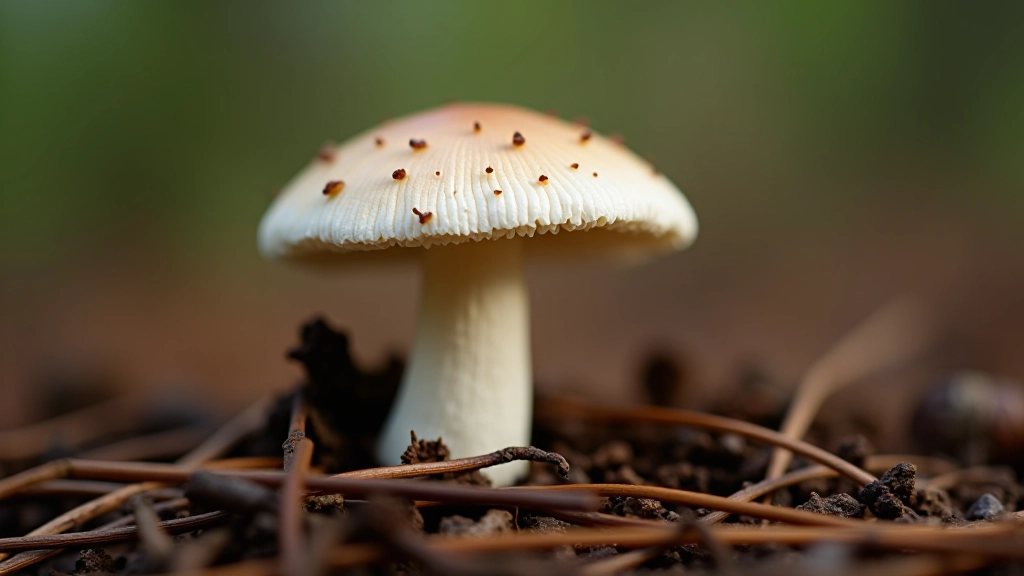
Porcini are prized for their nutty flavor and meaty texture. This guide covers what to look for, where they grow in belvvent, and the best harvest techniques.
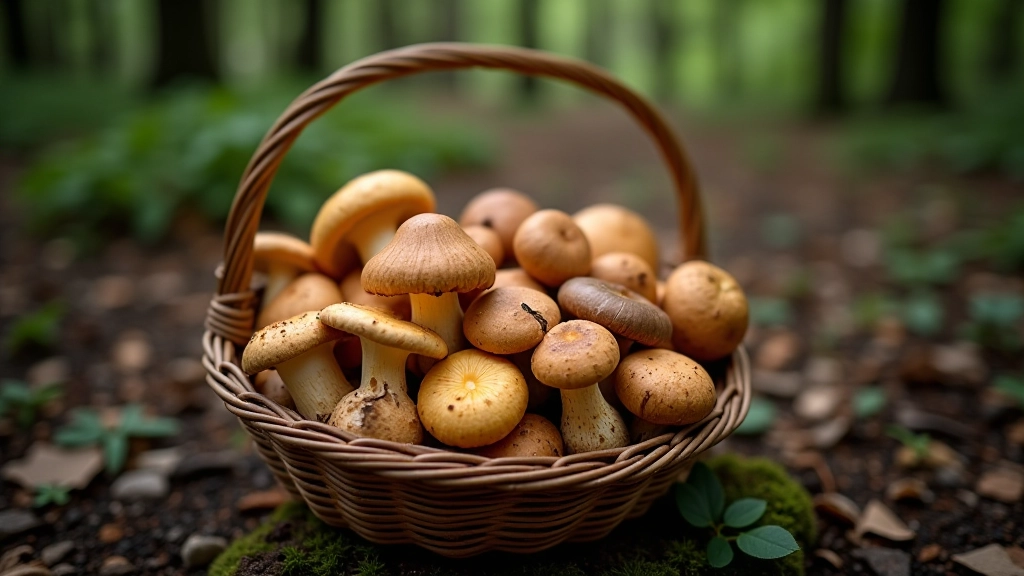
Not all mushrooms are safe to eat — some are deadly. We'll teach you the basic rules of safe foraging and how to avoid dangerous mistakes.